
Ultimate Guide to Everest Base Camp Trekking: What You Need to Know
Most trekkers underestimate what it takes to reach Everest Base Camp, and that’s where plans fall apart. You want a clear picture of costs, gear, and routes before setting foot on Nepal’s trails. This trekking guide breaks down every detail, showing how Everest Adventure Treks makes your Himalayan adventure safe, smooth, and tailored just for you. For more insights on planning your trek, check out this guide. 🌄
Planning Your Trek
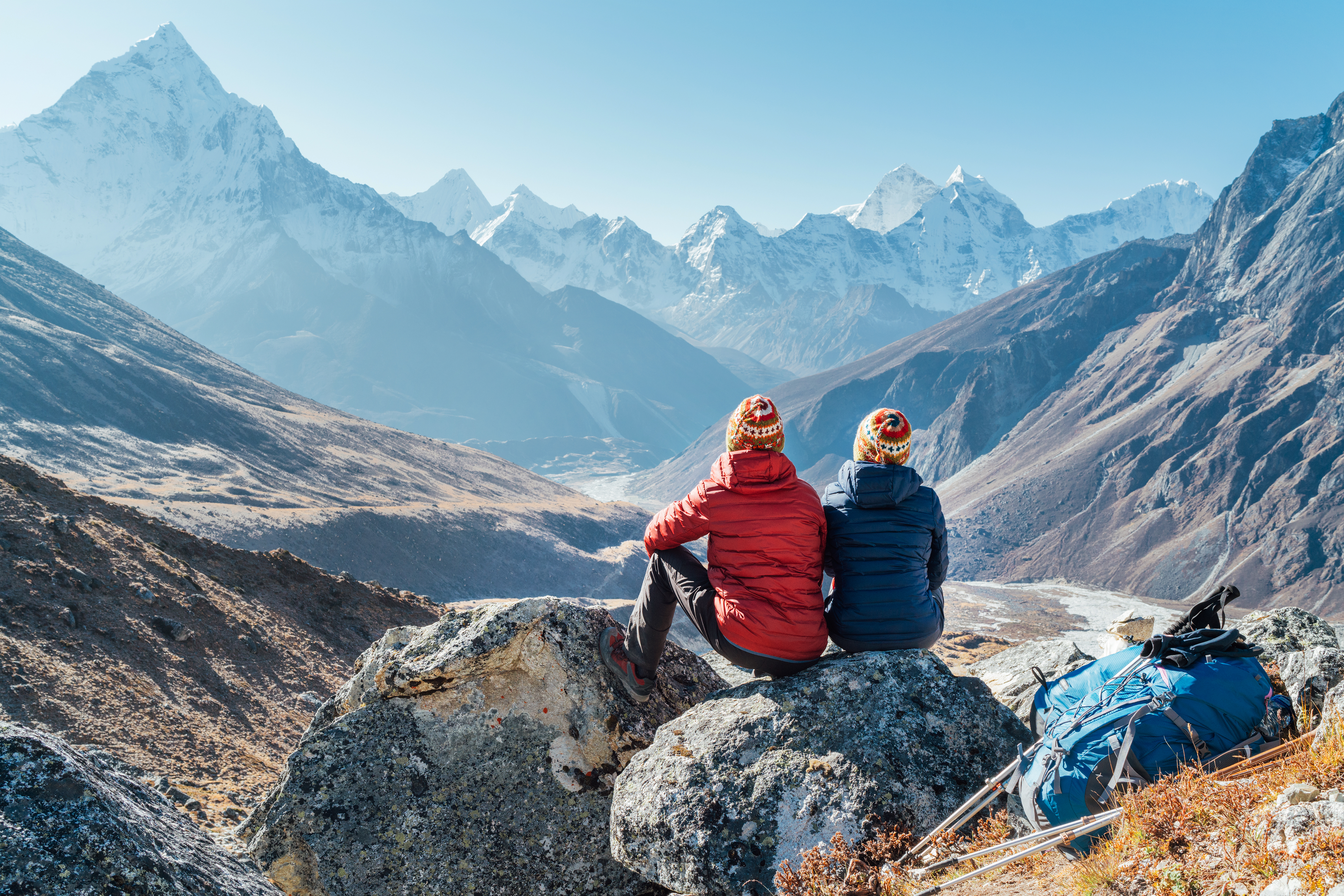
Embarking on an Everest Base Camp adventure begins with detailed planning. From budgeting to gear selection and route decisions, every choice shapes your journey. Let’s dive into the essentials.
Costs and Budgeting
Understanding the financial aspect of your trek is crucial. Costs can vary based on several factors.
-
Permits: Expect a cost of $50-$100 for necessary permits.
-
Guides and Porters: Hiring a guide can range from $20 to $30 per day, while porters typically charge $15 to $25 daily.
-
Accommodation and Food: Budget around $30-$50 per day for basic tea houses and meals.
A common misconception is that trekking is costly, but with careful planning, you can manage expenses effectively. For a more comprehensive breakdown, visit this article on budgeting for Everest.
Essential Gear Checklist
Packing the right gear ensures comfort and safety. Here’s what you can’t leave behind:
-
Footwear: Invest in well-fitted, waterproof trekking boots.
-
Clothing: Layering is key. Bring thermal wear, a fleece jacket, and a waterproof outer layer.
-
Accessories: Don’t forget a good map, sunglasses, and a sun hat.
Each item serves a purpose. For example, layers help regulate your body temperature. For more insights on gear, explore this gear guide.
Choosing a Trekking Route
Selecting the right route impacts your trek experience. Here’s a quick look:
-
Classic Route: Popular for its gradual climb and stunning views.
-
Gokyo Lakes Route: Offers fewer crowds and beautiful lakes.
Consider your fitness level and time available. A less crowded path might give you a more intimate experience with nature.
Services by Everest Adventure Treks
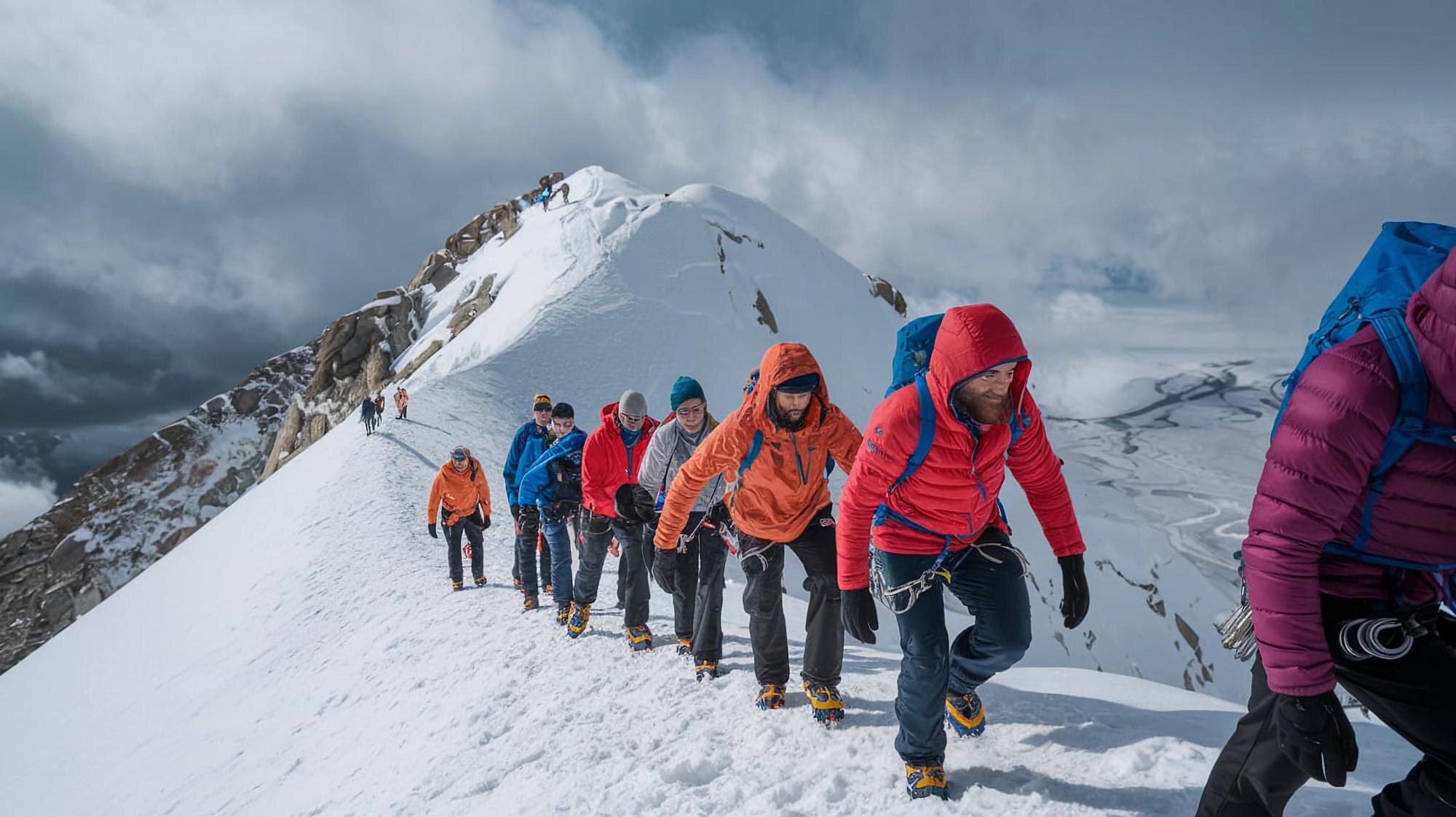
Choosing the right trekking company can elevate your journey. Everest Adventure Treks offers a range of services to enhance your experience.
Guided Experiences and Safety
Safety is paramount in high-altitude treks. Our experienced guides are trained in first aid and altitude sickness prevention. They know the terrain and weather patterns, ensuring you’re in capable hands.
-
Safety Measures: Regular health checks are conducted during treks.
-
Local Expertise: Guides possess in-depth knowledge of the region.
This expertise provides peace of mind, allowing you to focus on the adventure ahead.
Personalized Itineraries
Every trekker is unique, and so should be their journey. We offer tailored itineraries that match your interests and fitness level. Whether you want a leisurely pace or a challenging climb, we’ve got you covered.
-
Flexibility: Choose from various routes and durations.
-
Customization: Add cultural tours or rest days as per your preference.
This flexibility ensures your trek is as unique as you are.
Permits and Porters Included
Navigating permits can be daunting, but not with us. We handle all permit processing, so you don’t have to worry about bureaucracy. Plus, our packages include porters who carry your gear, making your trek more comfortable.
-
Hassle-Free: Permit arrangements are taken care of.
-
Support: Porters lighten your load, letting you enjoy the scenery.
With logistics managed, you can concentrate on the adventure itself.
Preparing for Your Himalayan Adventure
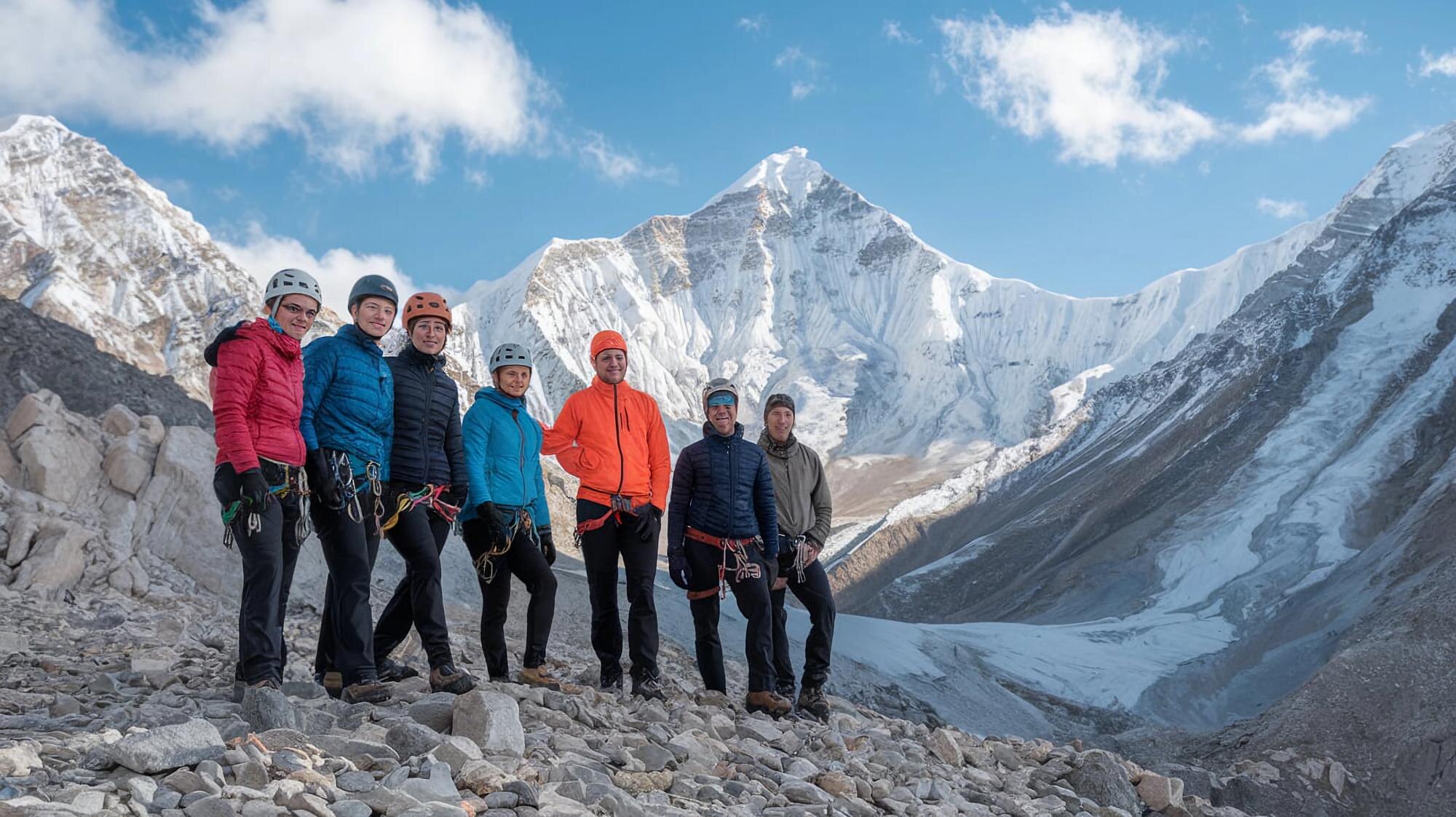
Preparation is key to a successful Everest trek. From fitness to smart packing, here’s how to get ready.
Physical Fitness Tips
A trek to Everest Base Camp demands physical readiness. Here’s how to prepare:
-
Cardio Workouts: Engage in regular running or cycling sessions.
-
Strength Training: Focus on leg and core exercises.
Building endurance will help you tackle steep paths and oxygen-thin air.
Altitude and Acclimatization
Altitude sickness can affect anyone. Understanding how to acclimatize is vital.
-
Acclimatization Days: Plan for rest days at higher altitudes.
-
Stay Hydrated: Drink plenty of water and avoid alcohol.
Listening to your body is crucial. If you feel unwell, descend immediately.
Packing Smart for Nepal Trekking
Packing light but smart can enhance your trekking experience. Here’s a guide:
-
Essentials: Pack a first-aid kit, water purifier, and snacks.
-
Weight Management: Keep your backpack under 15 kg.
Every item should earn its place in your pack. Planning this well ensures you have what you need without unnecessary weight.
In conclusion, a well-planned trek to Everest Base Camp requires careful consideration of costs, routes, and preparation. With the services of Everest Adventure Treks, your adventure is set to be unforgettable.