High Peak Climbing Expeditions: Preparing for the Ultimate Challenge
High peak climbing in the Himalayas demands more than just courage—it requires careful planning, the right mountaineering gear, and proper altitude training. If you’re ready to take on this challenge, understanding what goes into climbing preparation can make all the difference. In this guide, you’ll get clear steps to gear up and train effectively, with Everest Adventure Treks by your side to guide every step of your Himalayan expedition. For more insights on how to prepare for high-altitude climbs, check out this helpful resource.
Essential Climbing Preparation
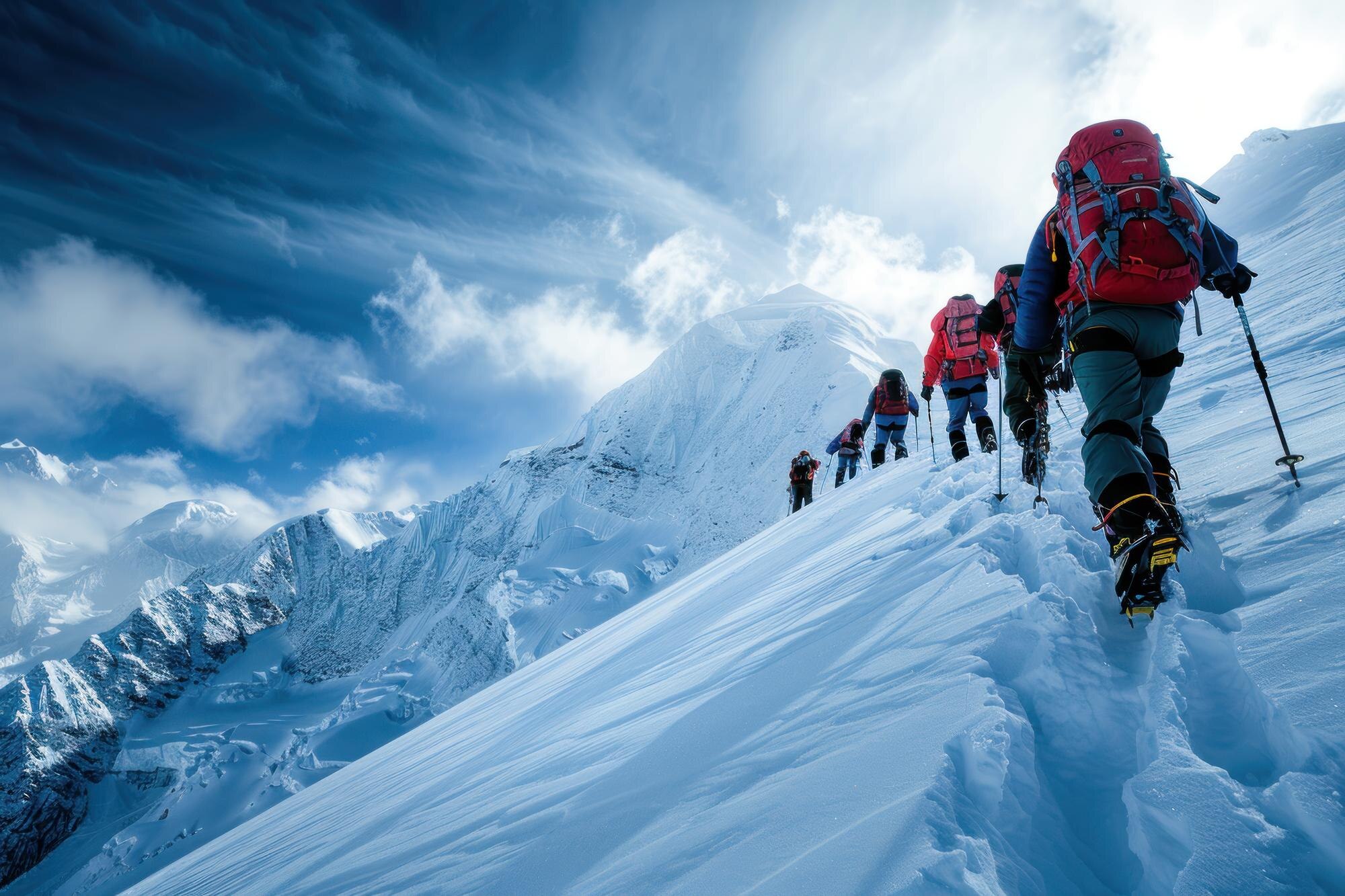
Setting the foundation for a successful climb begins with meticulous preparation. This involves planning your route and understanding the necessary permits and logistics.
Planning Your Expedition
Your journey starts with choosing the right path. Research the different routes available and select one that aligns with your skill level. Everest Adventure Treks offers tailored options that can meet your needs. Once you have a route, establish a timeline. Allocate extra days for weather delays.
Next, consider your team. A reliable guide can make all the difference. Local experts bring invaluable knowledge, enhancing both safety and experience.
Finally, budget accordingly. Costs can vary, so plan for permits, gear, and travel expenses. The longer you wait, the more these costs can fluctuate. Jason Black provides insights on preparing for mountain adventures.
Navigating Permits and Logistics
Securing necessary permits is crucial. Each region may have specific requirements, so research thoroughly. Start this process early to avoid last-minute hiccups.
Logistics also play a key role. Arrange transportation to and from your starting point. Consider the climate and pack accordingly. Weather in the Himalayas can shift rapidly. Have a backup plan for unforeseen circumstances.
Communicate your plans with someone at home. It’s essential to have a point of contact who knows your itinerary. This ensures your safety and provides peace of mind for loved ones. For more detailed information on expedition logistics, check Tom Livingstone’s blog.
Choosing the Right Mountaineering Gear
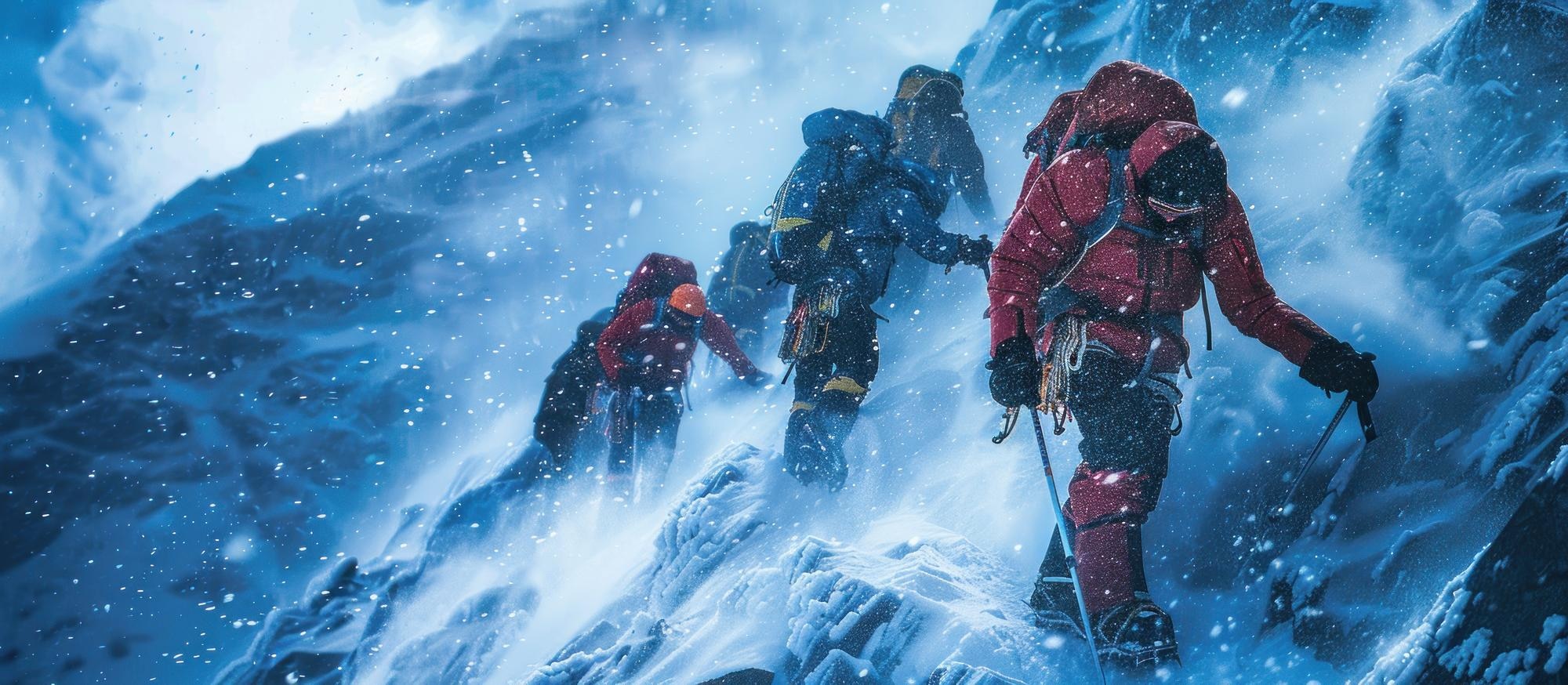
Having the correct gear is essential for safety and success. Let’s break down the must-haves and packing strategies for your Himalayan adventure.
Must-Have Climbing Equipment
Your life can depend on your gear, so choose wisely. Start with a sturdy pair of boots. They should be well-fitted to prevent blisters and provide ankle support.
Next, focus on clothing. Dress in layers to adapt to changing temperatures. Opt for moisture-wicking materials to stay dry. A durable jacket is a must to protect against wind and cold.
Safety equipment is equally important. Include a helmet, harness, and ropes. Invest in quality items that withstand rough conditions. For more on essential gear, visit this comprehensive guide.
Packing for Himalayan Expeditions
Packing efficiently can be the difference between a smooth or stressful climb. Start with a checklist to ensure nothing is forgotten.
Prioritize essentials like food, water, and a first aid kit. High-calorie snacks provide energy during long treks. Hydration is key in high altitudes, so carry a reliable water filter or purification tablets.
Remember to balance weight and necessity. Pack only what you need to avoid overloading your backpack. Regularly check your gear to ensure everything is in working order. Reddit discussions can offer additional packing tips from seasoned climbers.
Mastering Altitude Training
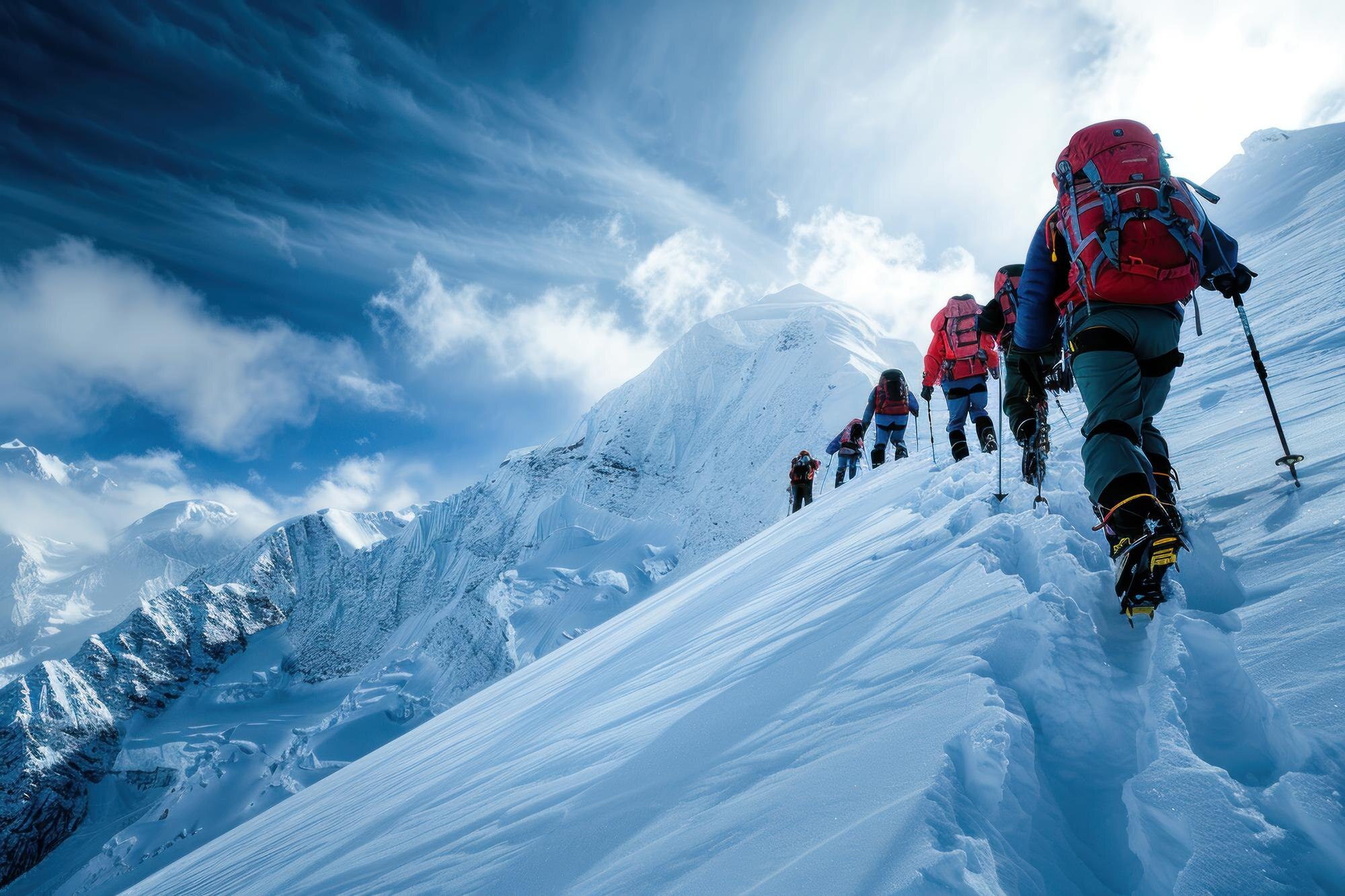
Preparing your body for high altitudes is crucial. Learn about acclimatization and endurance building to ensure a successful climb.
Understanding Acclimatization
Acclimatization is the process of adjusting to lower oxygen levels at high altitudes. Move gradually to higher elevations to allow your body time to adapt. This reduces the risk of altitude sickness, which can be dangerous.
Monitor your body for symptoms like headaches or dizziness. If these occur, descend to a lower altitude and rest. Hydration and nutrition also aid in acclimatization. Keep fluids up and maintain a balanced diet.
Consult with experienced guides from Everest Adventure Treks to plan your acclimatization schedule. Their expertise can help you navigate these challenges.
Building Endurance for High Peaks
Strength and stamina are essential for tackling high peaks. Begin your training months in advance to build the necessary endurance. Focus on cardiovascular exercises like hiking or running. Aim for three to four sessions a week.
Strength training is also important. Incorporate exercises targeting your legs, core, and upper body. This enhances your ability to carry loads and navigate rough terrain.
Rest and recovery should not be overlooked. Allow time for your body to recuperate to prevent injuries. Consistency in training is key to readiness. For more training insights, explore this useful guide.
Embarking on a high peak climbing expedition is no small feat. With careful preparation, the right gear, and proper training, you can conquer the Himalayas. Everest Adventure Treks is here to ensure your journey is both safe and unforgettable.