
Exploring the Annapurna Circuit: Your Essential Guide to Routes, Tips, and Cultural Insights
The Annapurna Circuit promises stunning landscapes and rich cultural encounters, but planning your trek can feel overwhelming. With so many trek routes and details to consider, it’s easy to get stuck wondering where to start. This guide breaks down essential trekking tips and cultural insights to help you prepare smartly and confidently for your Himalayan adventure with Everest Adventure Treks. For more insights, check out this helpful resource. 😊
Trek Routes Overview
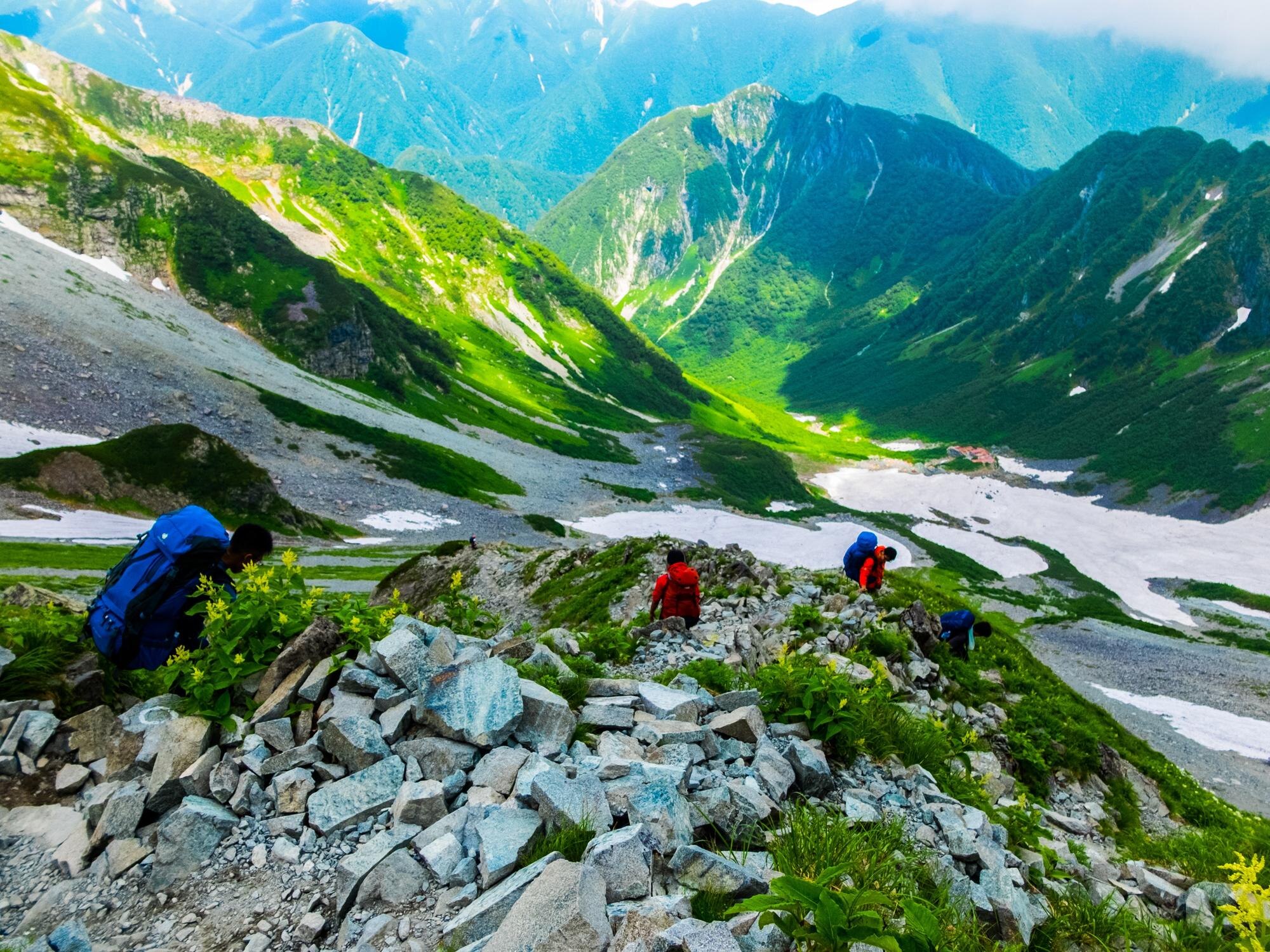
Exploring the Annapurna Circuit means choosing a path that’s right for you. Let’s dive into popular options and how to decide on the best route for your adventure.
Popular Annapurna Circuit Paths
The Annapurna Circuit offers various routes, each with its own allure. The classic path spans about 160-230 kilometers and takes around 15-20 days. You’ll encounter diverse landscapes, from lush subtropical forests to arid high-altitude deserts. Many trekkers prefer this route because it offers a comprehensive glimpse into the region’s beauty.
For those with limited time, the Jomsom Trek is a popular choice. It covers the final section of the Annapurna Circuit and can be completed in 5-7 days. This path is known for its stunning views of the Dhaulagiri and Annapurna massifs. If cultural immersion is your priority, consider including villages like Manang and Pisang in your itinerary.
Choosing the Right Trek Route
Selecting the right path involves considering your fitness level and time constraints. The full Annapurna Circuit is ideal if you want a complete experience, but it demands more time and stamina. If you’re looking for a shorter trek, the Ghorepani Poon Hill trek is a great option. It’s a 5-day journey that offers panoramic mountain views without the high-altitude challenges.
Budget is another factor. The full circuit might be more expensive due to its duration, but it provides a rich experience. For a budget-friendly option, stick to shorter routes while still experiencing the magic of the Himalayas. Remember, each path offers something unique, ensuring a memorable journey.
Essential Trekking Tips
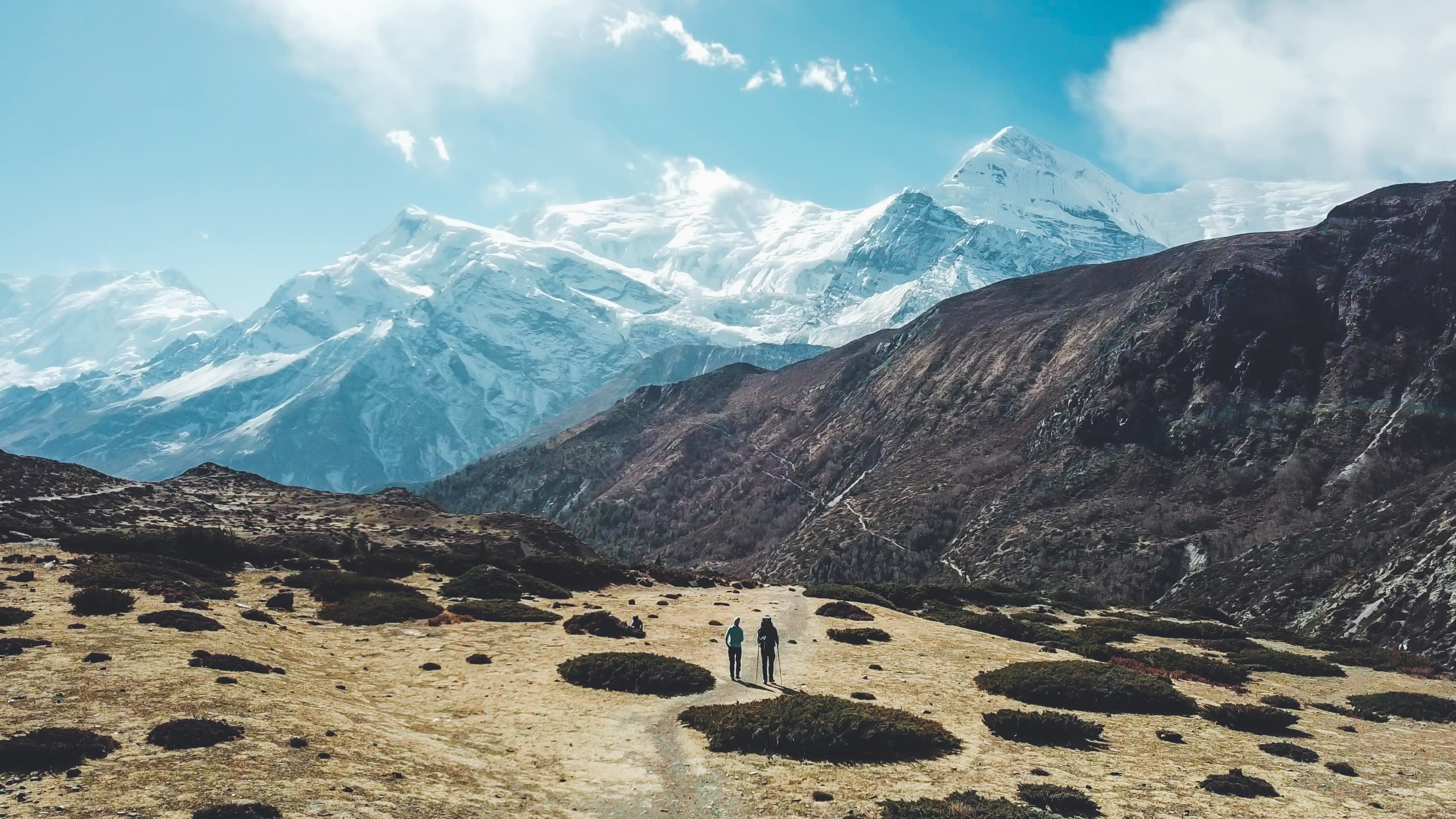
Preparing well for your trek can make all the difference. Here, we’ll cover what you need to know to get ready and stay safe on the trail.
Preparing for Your Trek
Packing wisely is key to a successful trek. Start with the essentials: sturdy boots, a warm sleeping bag, and layered clothing for changing weather. Don’t forget a first-aid kit and water purification tablets. Staying hydrated is crucial, so make sure you have a reliable water source.
Training before your trek can enhance your experience. Consider incorporating cardiovascular and strength exercises into your routine. This will help you tackle steep inclines and long distances with ease. Remember, it’s not just about physical preparation. Mental resilience is equally important during challenging moments on the trail.
Navigating the Terrain Safely
Safety should always be a priority. Altitude sickness is a common concern, and it’s important to ascend gradually. Plan for acclimatization days in your itinerary. Pay attention to signs like headaches or dizziness, and don’t hesitate to descend if symptoms worsen.
Trail conditions can vary, so staying informed is vital. The Annapurna Circuit often experiences landslides or washouts. Check local updates and weather forecasts before setting out each day. Trekking with a knowledgeable guide from Everest Adventure Treks can provide peace of mind and ensure you’re on the safest path.
Cultural Insights and Highlights
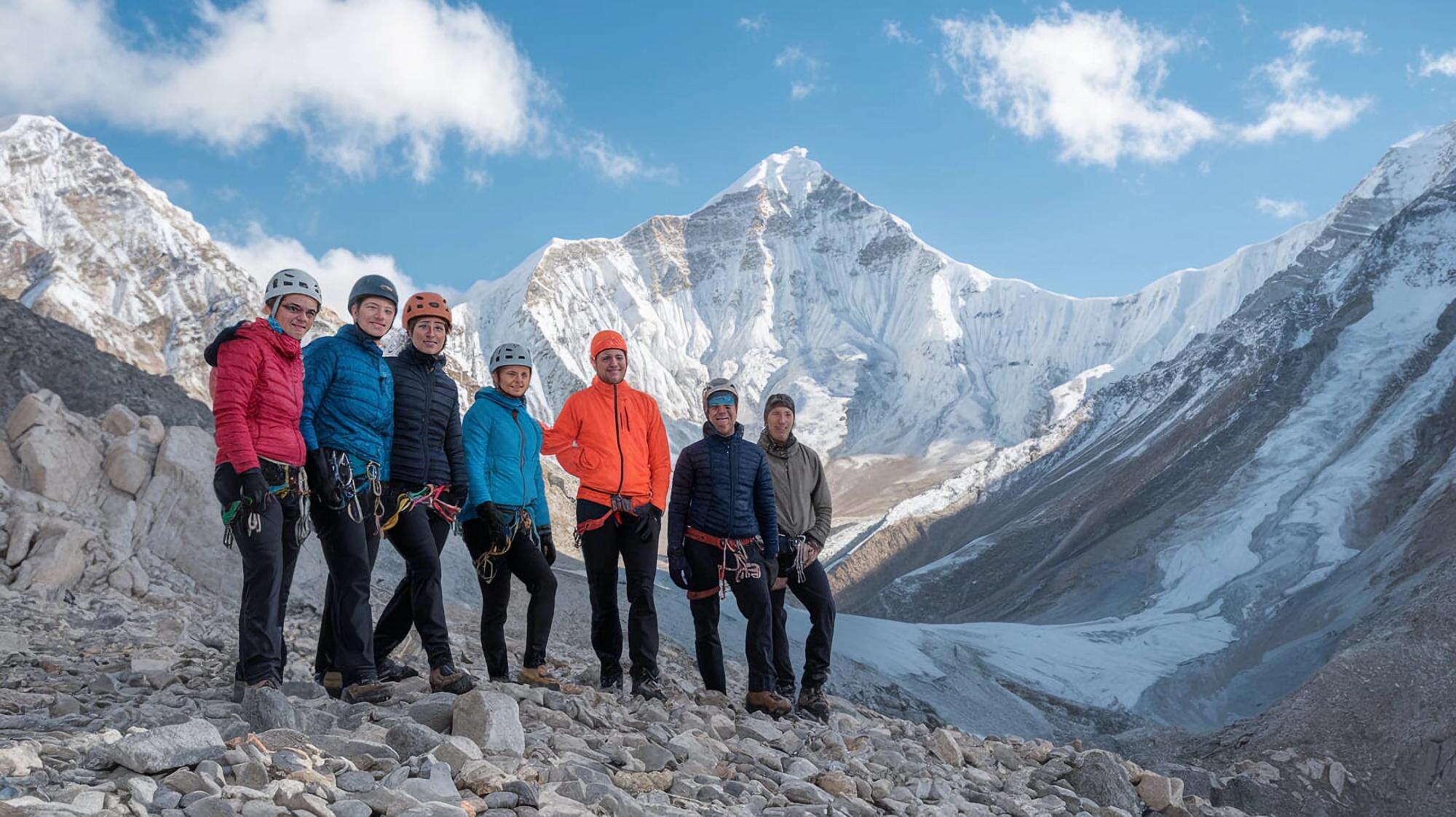
The Annapurna Circuit isn’t just about breathtaking views; it’s also a journey into rich cultural traditions. Let’s explore the local customs and must-visit sites you’ll encounter.
Local Traditions and Customs
As you trek through the Annapurna Circuit, you’ll meet diverse communities, each with unique customs. The Gurung and Thakali people are renowned for their warm hospitality. When visiting villages, it’s customary to greet with a respectful “Namaste” and show gratitude for their kindness.
Participating in local festivals can enhance your cultural experience. The Tihar festival, also known as the “Festival of Lights,” is celebrated with vibrant decorations and traditional songs. Engaging with these traditions offers a deeper understanding of the region’s cultural tapestry.
Must-Visit Cultural Sites 🏔️
While trekking, you’ll encounter several cultural landmarks. Muktinath Temple is a significant pilgrimage site for both Hindus and Buddhists. This sacred place, located at an altitude of 3,710 meters, is known for its eternal flame and 108 water spouts.
Another must-see is the Manang village, where you can explore the ancient Buddhist monasteries. These sites offer a glimpse into the spiritual lives of the locals. As you journey through these cultural treasures, you’ll gain a profound appreciation for the traditions that have thrived in this majestic region for centuries.
Exploring the Annapurna Circuit is more than an adventure; it’s an opportunity to connect with nature and culture in a meaningful way. As you prepare for your trek, remember that Everest Adventure Treks is here to support your journey, ensuring a safe and unforgettable experience. Whether you’re drawn to the stunning landscapes or the rich cultural heritage, the Annapurna Circuit promises a journey of a lifetime.