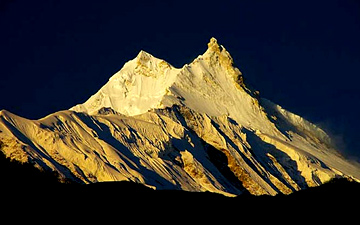

Annapurna Trek Cost 2025: Complete Teahouse, Permits, Guide, Transport & Emergency Budget Guide
Planning an Annapurna trek in 2025? This practical cost guide breaks down every likely expense for Annapurna Base Camp (ABC), the Annapurna Circuit and Poon Hill—so independent trekkers, small groups and travel-shop clients can build realistic backpacker, mid-range or luxury budgets and compare Annapurna to Everest Base Camp options. ⏱️ 8-min read
At-a-glance 2025 budget ranges
Quick overall totals (excluding international flights) and per-day averages for typical 2025 trips. Figures are ranges to reflect season, route and service level.
- Annapurna Base Camp (8–12 days)
- Backpacker (DIY teahouse, no guide): $350–$700 total (~$40–$70/day)
- Mid-range (licensed guide or small agency): $800–$1,600 total (~$90–$160/day)
- Luxury/Private (premium lodge stays, private transfers): $1,500–$3,000+ (~$160–$350/day)
- Annapurna Circuit (12–18 days)
- Backpacker (DIY basic teahouse): $500–$900 total (~$35–$60/day)
- Mid-range (guide, better teahouses): $1,000–$2,000 total (~$80–$120/day)
- Luxury (upgraded lodges, private vehicle access): $2,000–$4,000+ (~$150–$250/day)
- Poon Hill (2–4 days)
- Backpacker: $80–$200 total (~$25–$60/day)
- Mid-range: $200–$500 total (~$50–$130/day)
- Luxury/day tours (private guide, higher-end lodges): $400–$800
Quick comparison: Annapurna trips typically run 10–30% cheaper than Everest Base Camp itineraries of comparable comfort, mainly because Pokhara access is cheaper (no regular expensive mountain flights like Lukla) and the teahouse network on Annapurna is denser and more competitive.
How route, duration and season drive costs
The route you choose, how long you trek, and when you go are the single biggest cost drivers.
- Route differences — Circuit is longer and usually needs more nights, so expect +10–25% over ABC for the same comfort level. Poon Hill is short and inexpensive.
- Duration — Every extra day adds accommodation, food and possibly guide fees. Rule of thumb: add full daily living cost plus 50–75% of guide/porter daily rate for each extra day in DIY plans (they may charge travel days too).
- Seasonality — Peak season (Oct–Nov and Mar–Apr) generally increases teahouse and transport prices by ~15–30%. Shoulder season (late Sep, May) is often the best value. Monsoon (Jun–Aug) brings price drops but higher service limitations and trail closures.
Actionable multipliers: plan for +10–25% for longer circuits, +15–30% in peak season, and -10–20% for off-peak/monsoon if services operate.
Permits, conservation fees and official charges (2025 specifics)
Permits are mandatory on all popular Annapurna routes. Buy them before or at Pokhara/Kathmandu permit offices or through your agency.
- ACAP (Annapurna Conservation Area Permit) — required for most Annapurna treks. Typical 2025 range: about $25–$35 (foreign nationals). Purchased at ACAP office in Pokhara or Kathmandu, or via licensed agencies.
- TIMS (Trekkers’ Information Management System) — may still be required on some sections; expect ~$10–$20. TIMS can be issued at trekking agencies or tourism offices.
- Restricted area/vehicle fees (Circuit) — some jeep/vehicle access points and local vehicle permits for parts of the Circuit can add a small fee per vehicle or passenger ($5–$30 depending on route and vehicle).
- Local/entry stamps — small village or campsite fees are possible (typically $1–$5 per checkpoint).
Always verify fees with the Nepal Tourism Board, ACAP office or a licensed agency shortly before travel; fees can change and agencies often bundle permit processing into packages.
Teahouse accommodation, food and daily living costs
Teahouses are the backbone of Annapurna budgeting. Prices rise with altitude and in high season.
- Nightly teahouse rates (2025 typical)
- Low altitude & popular villages (under ~2,000 m): Backpacker $4–$12; Mid-range $12–$30; higher-end $30+.
- Mid/High altitude (2,000–4,000 m, e.g., near ABC/Manang): Backpacker $6–$20; Mid-range $20–$50; luxury lodges (limited) $50–$120+
- Peak-season boosts of 10–30% above those baseline bands are common.
- Food and drink
- Set meal (dal bhat): $4–$10 depending on altitude and season.
- Snacks/Western meals (pasta, soup): $3–$8 each.
- Hot drinks (tea, coffee): $1–$4. Instant noodles and chocolate are pricier at high altitude.
- Extras — hot showers typically $1–$4, toilet use may have a small fee, charging devices commonly $1–$3.
- Daily food budget guidance
- Backpacker: $10–$20/day (shared room, set dal bhat for most meals, minimal drinks)
- Mid-range: $20–$40/day (private basic room, a mix of local and Western meals, a few hot drinks)
- Luxury: $40–$100+/day
Cost-saving tips: choose set meals (cheaper and supports staff), share rooms, carry refill snacks, and buy sweets/snacks in Pokhara before the trek.
Guide, porter and agency fees — legal rates and tipping norms
Hiring licensed staff improves safety and logistics; rates rose modestly into 2025.
- Daily rates (approx. 2025)
- Licensed guide: $30–$50 per day plus food & accommodation (experienced English-speaking guides often at higher end).
- Assistant guide/porter: $20–$35 per day plus food & accommodation. Porters usually carry max 20–25 kg; pack extra belongings accordingly.
- Agency packages vs DIY hiring
- Packages typically include guide, permits, accommodation, some meals, transport, and arrange evacuations—expect to pay premiums but gain convenience and safety.
- DIY saves money but requires permit processing, booking teahouses on the fly, and handling problems yourself.
- Tipping norms — at trip end: guide $7–12/day and porter $3–6/day (per person’s custom, group size and quality of service can alter totals).
- Why hire experienced guides — reduce hidden costs: faster problem solving, route knowledge to avoid extra nights, arrange cheaper local transport and handle medical evacuations more efficiently.
Transport and logistics: flights, buses, and trailhead transfers
Getting to/from Pokhara and trailheads is a cost item that depends on speed, comfort and season.
- Kathmandu–Pokhara
- Domestic flight: $70–$140 one way (weather can cause cancellations and rebooking fees).
- Tourist bus (AC): $10–$25 one way (6–8 hours; book locally for best price).
- Local bus: $5–$15 (longer, less comfortable).
- Trailhead transfers
- Shared jeep or tourist shuttle to Nayapul, Jomsom or Bhulbhule: $10–$40 per person depending on distance and season.
- Private jeep/4×4 to remote trailheads: $60–$250+ (depends on distance, vehicle and time of year).
- Timing tips — book buses and flights locally (not always online) to save; be aware of seasonal price spikes for flights during Oct–Nov.
Gear, rentals, insurance and emergency evacuation costs
Gear rental and insurance are essential and often cost-effective compared with buying everything new.
- Common rental rates (per day)
- Sleeping bag (rated to -10°C): $3–$8/day
- Down jacket: $4–$10/day
- Trekking poles: $1–$3/day
- Hiking boots: limited rental availability; better to bring your own
- Buy vs rent — rent bulky/expensive seasonal items in Pokhara if you’ll use them for only 10–14 days. Buy essentials (base layers, socks, boots) for fit and hygiene.
- Insurance recommendations — purchase travel insurance that includes:
- Emergency medical coverage (at least $50,000 recommended)
- Evacuation/airlift coverage (preferably $100,000+; helicopter evacuations are expensive)
- High-altitude trekking cover to the elevation you plan (up to 6,000 m)
- Evacuation helicopter costs — range widely: $1,500–$5,000+ for domestic domestic lifts within Nepal; international medevac or complex extractions can exceed $10,000. Always confirm your insurer covers helicopter rescue costs.
Sample 2025 budgets and practical cost-saving strategies
Below are realistic example budgets (for one person, excluding international flights) to illustrate how line items add up. All figures are approximate and depend on exact itinerary and season.
1) ABC — Backpacker (DIY, 9 days)
- Permits & fees: $35
- Kathmandu–Pokhara tourist bus round-trip: $30
- Trailhead transfers: $20
- Teahouse nights (8 nights @ $8 avg): $64
- Food & drinks (9 days @ $15/day): $135
- Incidentals & hot showers/charging: $30
- Insurance (short trip with evac coverage): $120
- Total: ≈ $434 (≈ $48/day)
2) Annapurna Circuit — Value Mid-range guided (15 days)
- Permits & fees: $45
- Guide (15 days @ $40/day incl. food/accommodation split): $600
- Porter 50% of days as needed: $200
- Transport & transfers (Kathmandu–Pokhara–trailheads): $120
- Teahouse & food (15 days @ $30/day): $450
- Insurance (comprehensive): $160
- Extras (showers, charging, tips): $150
- Total: ≈ $1,725 (≈ $115/day)
3) ABC — Guided Premium Package (12 days)
- Permits & fees: $40
- Guide + porter (12 days at higher level): $720
- Private transfers & domestic flights as requested: $250
- Upgraded teahouses/lodges & meals (12 days @ $60/day): $720
- Insurance & contingency (higher evac cover): $250
- Total: ≈ $1,980 (≈ $165/day)
Money-saving strategies
- Book local buses and in-person services in Pokhara to get better rates than pre-booked online options.
- Share rooms and meals (set dal bhat) to reduce food and accommodation costs substantially.
- Carry a reusable water filter to avoid buying bottled water on the trail.
- Walk extra distance instead of hiring a porter for short stints; porters are invaluable for heavy loads and comfort but cost extra.
- Travel shoulder season to capture decent weather at lower prices (late Sep or May).
- Buy non-technical food and snacks in Pokhara before heading out.
Red flags that add hidden cost
- Very low agency quotes that exclude permits, transfers, tips or insurance.
- Unlicensed guides or porters (no official ID)—may lead to problems or extra charges mid-trip.
- Last-minute flight cancellations in peak season without a clear refund policy.
- Relying on helicopters as a “cheap” evacuation—insurers often exclude some scenarios; check coverage before you go.
Final note: these 2025 estimates help you build realistic budgets; always confirm permit fees, guide licensing and current transport rates shortly before departure. If you want a tailored quote, Everest Adventure Trek offers customizable Annapurna packages (DIY support, guided, or premium lodge options) and can price a complete itinerary including permits, transfers and insurance guidance—reach out to compare options and lock in space for peak-season departures.
Powered by Trafficontent